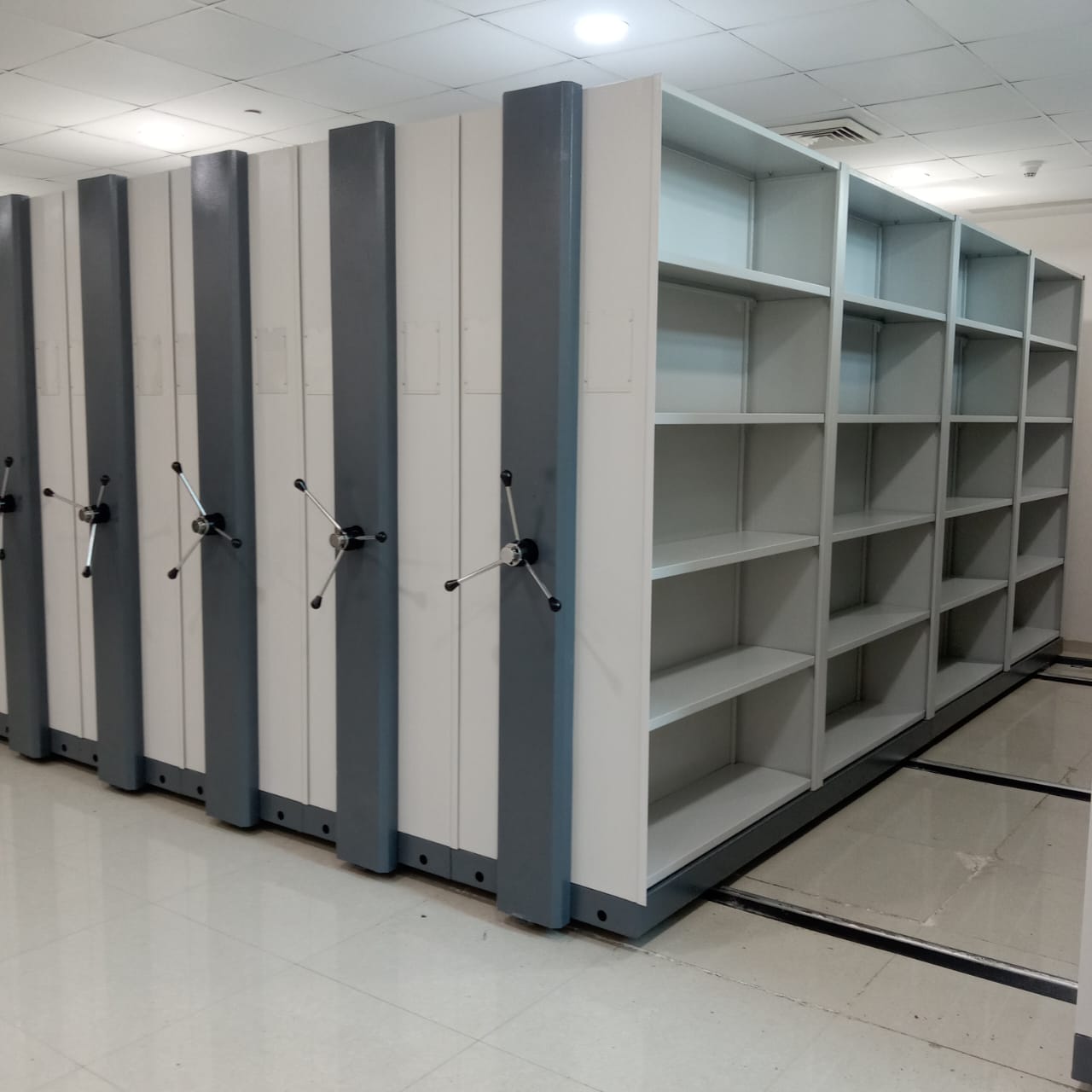
Top Factors to Consider Before Investing in a File Compactor Storage System
Investing in a file compactor storage system is a smart choice for offices, banks, hospitals, libraries, and warehouses that want to save space and manage records efficiently. These systems help maximize storage capacity by reducing aisle space and improving organization. However, before making a purchase, it is important to evaluate several factors to ensure you choose the right solution for your needs.
In this guide, we will discuss the most important factors to consider before investing in a file compactor storage system.
1. Available Floor Space and Layout
Before installing a file compactor system, you must analyze your available floor space and room layout.
Things to check:
- Total room dimensions
- Ceiling height
- Floor strength and leveling
- Door and movement space
Proper planning ensures smooth installation and safe operation of the compactor system.
2. Type of File Compactor Storage System
There are different types of file compactor systems based on movement and operation.
Manual File Compactors
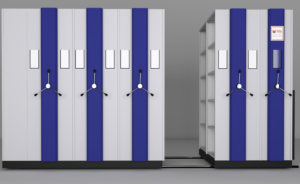
Best for small offices and low-traffic areas. These are operated using hand wheels and are cost-effective.
Mechanical File Compactors
These use gear mechanisms and are easier to move compared to manual systems.
Mobile (Motorized) Compactors
Ideal for large offices and record rooms. They operate with push buttons or remote control and offer higher safety and convenience.
Choosing the right type depends on usage frequency and budget.
3. Storage Capacity and Load Requirement
Every organization has different storage needs.
Consider:
- Number of files or folders
- Weight per shelf
- Future expansion needs
High-quality file compactor storage systems are designed to handle heavy loads without bending or damage.
4. Safety Features
Safety is extremely important, especially in motorized systems.
Look for features such as:
- Anti-tilt mechanism
- Emergency stop buttons
- Infrared or sensor safety locks
- Child lock and manual override options
Good safety features protect both users and stored documents.
5. Material Quality and Durability
The durability of the system depends on the quality of materials used.
Important points:
- Thickness of steel panels
- Rust-resistant coating
- Strong base tracks
- Smooth roller movement
A durable file compactor storage system lasts longer and reduces maintenance costs.
6. Ease of Access and User Comfort
Your staff should be able to access files quickly and comfortably.
Check for:
- Smooth movement of shelves
- Easy-to-use handles or control panels
- Proper lighting inside racks
- Adjustable shelving options
Better accessibility improves productivity and reduces time spent searching for documents.
7. Installation and After-Sales Support
Professional installation is necessary for proper functioning of the system.
Choose a supplier who provides:
- Site inspection before installation
- Trained installation team
- Warranty coverage
- Quick service support
Reliable after-sales service ensures peace of mind after purchase.
8. Budget and Long-Term Value
While price is important, you should also think about long-term benefits.
Instead of choosing the cheapest option, compare:
- Build quality
- Warranty period
- Maintenance requirements
- Upgrade possibilities
A slightly higher investment in a quality system saves money in the long run.
Why Choose a File Compactor Storage System for Your Office?
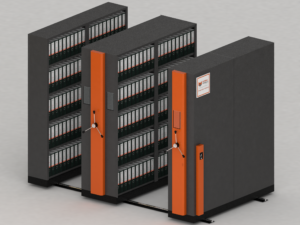
A file compactor storage system is designed to maximize storage capacity while using minimum floor space. It is an ideal solution for offices that handle large volumes of documents and want to maintain proper organization.
Here are some key reasons why offices prefer file compactor systems:
- Saves valuable office space: By eliminating fixed aisles, compactors increase storage capacity by up to 50%.
- Improves file organization: Clearly arranged shelves make document retrieval faster and easier.
- Enhances workplace efficiency: Employees spend less time searching for files and more time on productive work.
- Provides better security: Locking systems help protect confidential documents.
- Supports future expansion: Adjustable shelves allow you to store more files as your business grows.
- Professional appearance: Clean and organized storage improves the overall look of the office.
Because of these benefits, file compactor storage systems are widely used in banks, corporate offices, hospitals, government departments, and educational institutions.
Key Factors to Consider Before Investing in a File Compactor Storage System
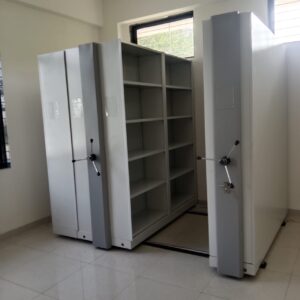
Start by measuring the available floor area where the compactor will be installed. File compactor systems run on tracks and require proper aisle spacing and smooth flooring.
Make sure the layout allows easy movement and safe access to all shelves without blocking exits or walkways.
Available Floor Space and Layout
Start by measuring the available floor area where the compactor will be installed. File compactor systems run on tracks and require proper aisle spacing and smooth flooring.
Make sure the layout allows easy movement and safe access to all shelves without blocking exits or walkways.
Storage Capacity and Load Requirements
Different offices and industries store different types of
- Weight capacity per shelf
- Total storage volume required
- Future growth needs
If your business is expanding, choose a system that allows additional shelving or expansion modules later.
Type of Operation (Manual, Mechanical, or Motorized)
File compactor systems are available in different operating types:
- Manual: Suitable for small offices with light usage
- Mechanical: Better for medium-sized record rooms
For large installations, you may also consider a mobile compactor storage system with push-button operation for convenience and safety.
Safety Features and Locking Systems
Safety should never be ignored. A good file compactor storage system must include:
- Anti-tilt mechanisms
- Emergency stop buttons (for motorized systems)
- Central locking or individual locking options
These features help protect both employees and confidential documents.
Build Quality and Material Strength
Always check the quality of:
- Steel thickness
- Powder coating finish
- Track and wheel durability
High-quality materials increase the life of the system and reduce maintenance costs over time.
After-Sales Support and Warranty
Installation quality and after-sales service are just as important as the product itself.
Before finalizing the supplier, confirm:
- Installation support
- Maintenance services
- Warranty coverage
Reliable support ensures smooth operation for years.
Applications of File Compactor Storage Systems
A file compactor storage system is widely used across different industries where organized and space-efficient storage is required. These systems help improve workflow, protect important documents, and make better use of available floor space.
Corporate Offices
In corporate offices, large volumes of files, employee records, and legal documents need to be stored safely. File compactor systems help:
- Reduce storage area
- Keep files organized
- Improve document retrieval speed
They also give offices a clean and professional look.
Banks and Financial Institutions
In corporate offices, large volumes of files, employee records, and legal documents need to be stored safely. File compactor systems help:
- Reduce storage area
- Keep files organized
- Improve document retrieval speed
They also give offices a clean and professional look.
Hospitals and Medical Facilities
Hospitals handle patient records, reports, and administrative files daily. File compactor systems help by:
- Organizing medical documents efficiently
- Saving space in record rooms
- Improving staff productivity
Proper organization also supports faster patient services.
Government Offices
Government departments store large volumes of physical records. A file compactor storage system helps:
- Manage long-term document storage
- Improve record tracking
- Reduce clutter in office spaces
Many government archives use compact storage for better space utilization.
Educational Institutions
Schools, colleges, and universities maintain admission records, certificates, and administrative files. File compactor systems offer:
- Safe storage of important documents
- Better organization of academic records
- Easy future expansion as data grows
Warehouses and Industrial Facilities
In industrial environments, file compactors are used to store:
- Technical documents
- Inventory files
- Compliance records
They are often used along with heavy duty storage racks for complete warehouse storage solutions.
Conclusion
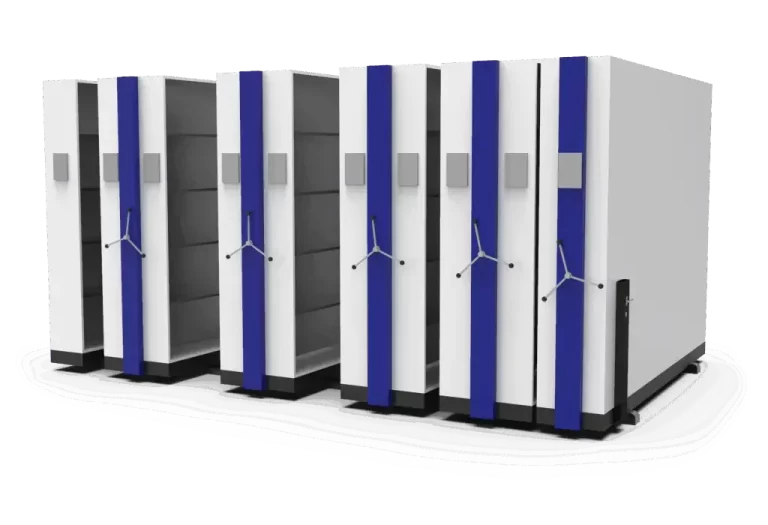
Investing in a file compactor storage system is a smart decision for offices that want to save space, improve organization, and manage documents more efficiently. These systems help increase storage capacity while keeping files secure and easily accessible.
Whether you run a corporate office, bank, hospital, government department, or educational institution, file compactors offer a long-term and cost-effective storage solution. With better organization and reduced clutter, employees can work faster and more productively.
To get the best results, always choose a reliable manufacturer who can provide customized designs, quality materials, and professional installation based on your available space and storage needs.
If you are planning to upgrade your office storage, explore our solutions or contact our team for expert guidance
You can lean more about File Compactor Storage Systems designed for offices and industrial use.